
· Erin Delaney
Are tennis balls bad for dogs?
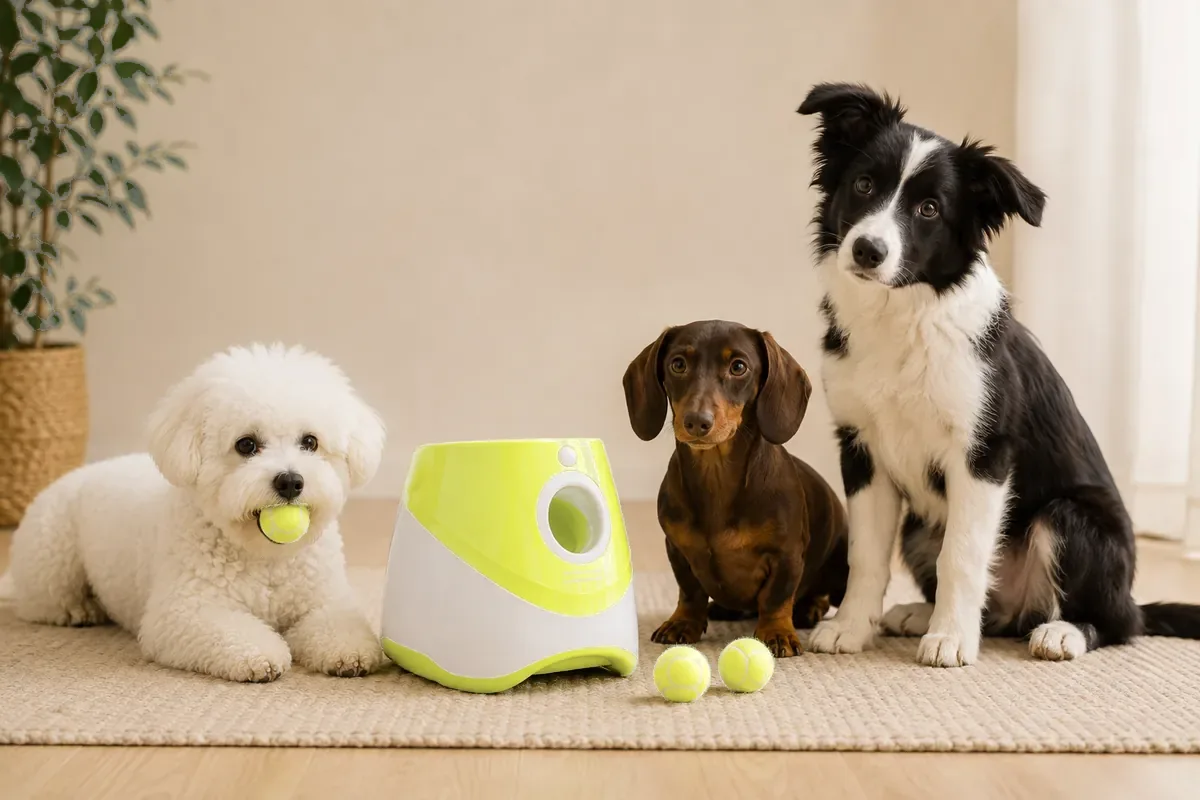
Everything else you will read — that tennis balls are toxic, that they cause cancer, that the glue poisons dogs — is either about a specific recalled product or simply repeated without a source. This guide sticks to the two that hold up.
Risk 1: size, and it is the one that matters
A ball only has to fit past the back of the throat once. A standard tennis ball is about 2.5 inches across, which is fine for a spaniel and genuinely dangerous for a labrador or a shepherd — a large dog can compress a ball between the molars, and it can spring back open in the airway.
The rule that actually works: the ball should be too big to sit entirely behind the back teeth, whatever the dog does with it. If you can imagine it disappearing into the mouth, it is the wrong ball for that dog.
| Dog | Sensible ball diameter |
|---|---|
| Small — bichon, yorkie, jack russell | About 2 in |
| Medium — cocker, border collie, beagle | 2 to 2.5 in |
| Large — labrador, shepherd, retriever | 3 in and up |
⚠️ These are orientation figures. If your dog is a determined chewer or has ever swallowed something he should not have, that is a conversation with your vet, not with a shop.
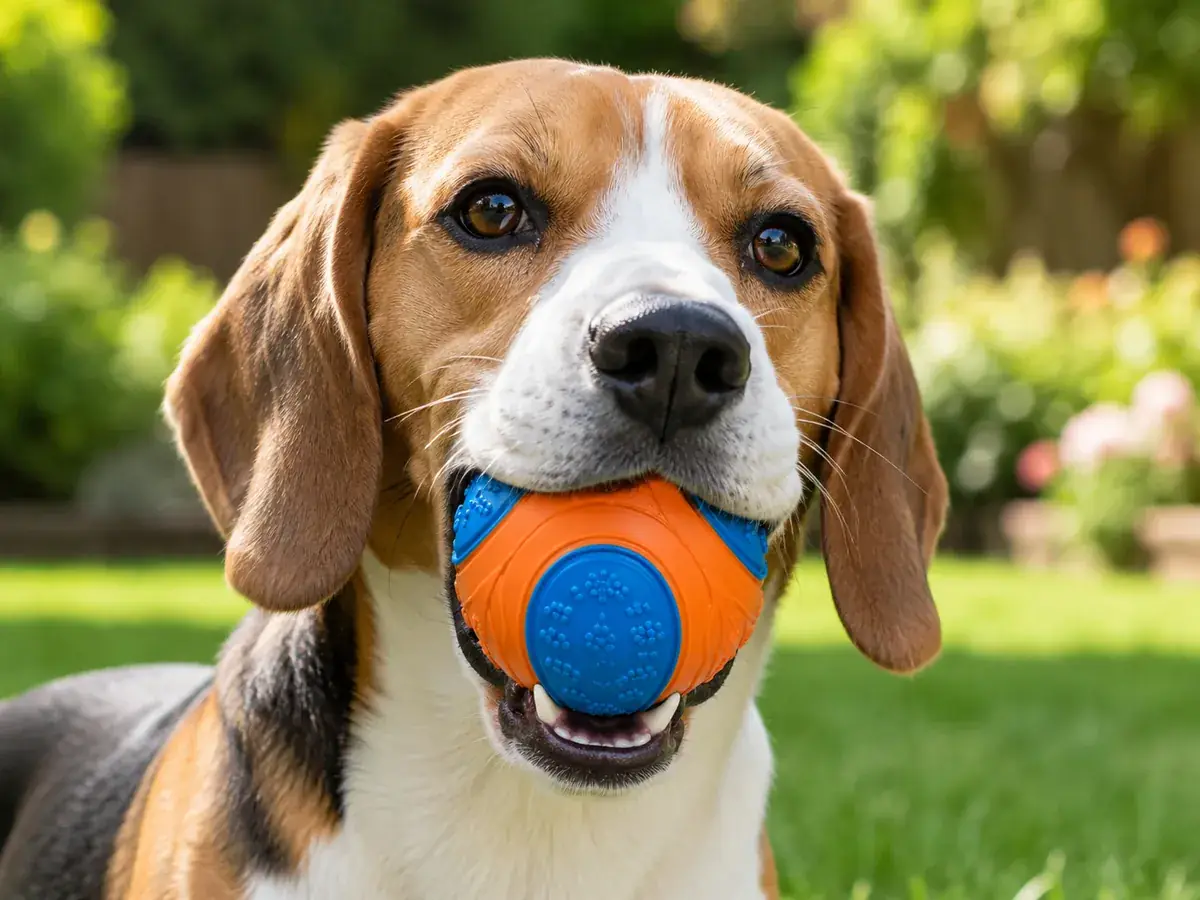
Risk 2: the felt, and what it actually does
Tennis ball felt is mildly abrasive, and picking up grit makes it more so. A dog who carries a ball in his mouth for hours — not one who fetches it fifty times and drops it — can wear the tips of the teeth flat over months or years. Vets call it blunting, and it is more common in obsessive carriers than in enthusiastic fetchers.
About our own product, since we sell one: the balls that come with our launcher are 2 inches across, and the maker's own sheet calls them tennis balls. Any felt-covered ball abrades, ours included — we have not measured the material independently and we are not going to claim an exemption we cannot demonstrate. What we can say is the part that is measurable: 2 inches suits a small or medium mouth, and that is the risk that sends dogs to the vet.
What to do about it, practically
- Match the ball to the dog, not to the game. This one decision removes the serious risk entirely.
- Fetch, then put it away. The wear comes from carrying, not from chasing. Ending the session and taking the ball back is the whole fix.
- Rinse gritty balls. Sand and dirt in the felt do more damage than the felt on its own.
- Retire split balls. A cracked ball is a swallowing hazard in a way an intact one is not.
- Check the teeth twice a year. Flattened tips are visible long before they are a problem.
So is fetch bad for dogs?
No — and the question usually hides a different one. What is worth watching is not the game but the arousal: a dog who cannot stop, who trembles for the next throw and never settles, is not getting exercise, he is rehearsing frustration. That is worth managing, and it has nothing to do with the ball.
The fix there is structure rather than abstinence: a wait before each throw, a clear end to the session, and something else to do afterwards. We set that out in the guide to mental stimulation, and the release itself is covered in how to teach a dog to fetch.

Erin Delaney · Dog trainer, specializing in working off energy
Erin has spent twelve years working with companion dogs in cities, mostly active breeds living in apartments. She writes the Pupserve guides and reads every product page before it goes live.
Reviewed and updated 1 September 2026. See how we test.